2026-09-20 09:12
速览
本文来自微信公众号: IPP评论 ,作者:Mehri Madarshahi,原文标题:《Mehri Madarshahi|掌声之后,联合国大会究竟能取得什么实际成果?》
导语:9月8日下午,第81届联合国大会在纽约开幕,本届联大主题是“重建信任,管理变革:一个为所有人带来实效的联合国”。9月22日,一般性辩论将拉开帷幕,各国领导人将就全球挑战阐述立场。
值得注意的是,往届联大主题更多着眼于和平、发展等全球目标,第81届大会则罕见地将焦点对准联合国自身。这也凸显出联合国重建行动能力的紧迫性——大会召开之际,安理会因各方分歧屡陷僵局;会费拖欠与援助削减进一步加剧联合国的财政压力。与此同时,各国应对全球问题的路径愈发分化,一些国家转向“本国优先”或“小多边”合作,在更小范围内寻求利益协调,并对国际义务作出取舍。
随着“联合国80周年改革倡议”持续推进、下一任秘书长遴选进入关键阶段,如何重建信任,并让共识真正转化为行动,是本届联大绕不开的考题。
在IPP荣誉教授梅赫里·马达尔沙希(Mehri Madarshahi)看来,目前各方要正确认识联大的作用和局限。联大通常无法强制各国落实决议,但仍能塑造国际规范、形成政治压力,并为共同行动提供合法性。能否将这些影响转化为实际成果,关键在于会员国是否愿意提供必要的政治支持和资源。她认为,联大需要明确优先事项,加强后续跟进与问责,推动承诺得到相应的资源保障。只有当各国不再满足于对宣言达成一致,而愿意履行其中的义务,联大的普遍代表性才能转化为切实合作,信任也才能在这一过程中逐步恢复。
掌声之后,联合国大会究竟能取得什么实际成果?
After the Applause,What Can the United Nations General Assembly Really Deliver?
IPP荣誉教授、联合国教科文组织下属国际创意和可持续发展中心(ICCSD)顾问委员会成员
每年9月,纽约都会在短暂的一段时间里成为世界的政治中心。各国总统、总理、君主和外交部长齐聚联合国总部,车队挤满曼哈顿,闭门举行的双边会谈一场接着一场。联合国大会会场也再次成为各国政府阐述其世界观的舞台。但有时,耐人寻味的,反而是它们选择不作解释的那些事情。
Every September,New York becomes,briefly,the political capital of the world.Presidents,prime ministers,monarchs and foreign ministers arrive at United Nations Headquarters,motorcades clog Manhattan,bilateral meetings multiply behind closed doors,and the General Assembly chamber once again becomes the stage from which governments explain their vision of the world and,sometimes more revealingly,what they choose not to explain.
2026年9月8日,第81届联合国大会开幕。此时的世界正处于一个尤其动荡不安的时刻。本届大会的主题是:“重建信任,管理变革:一个为所有人带来实效的联合国。”这一主题可谓再贴切不过,因为当今世界最为稀缺的就是信任。
The opening of the 81st session of the United Nations General Assembly on 8 September 2026 comes at a particularly unsettled moment.Its theme,“Restoring Trust,Managing Transformation:A United Nations That Delivers for All,”could hardly be more appropriate.Trust is precisely what is in short supply.
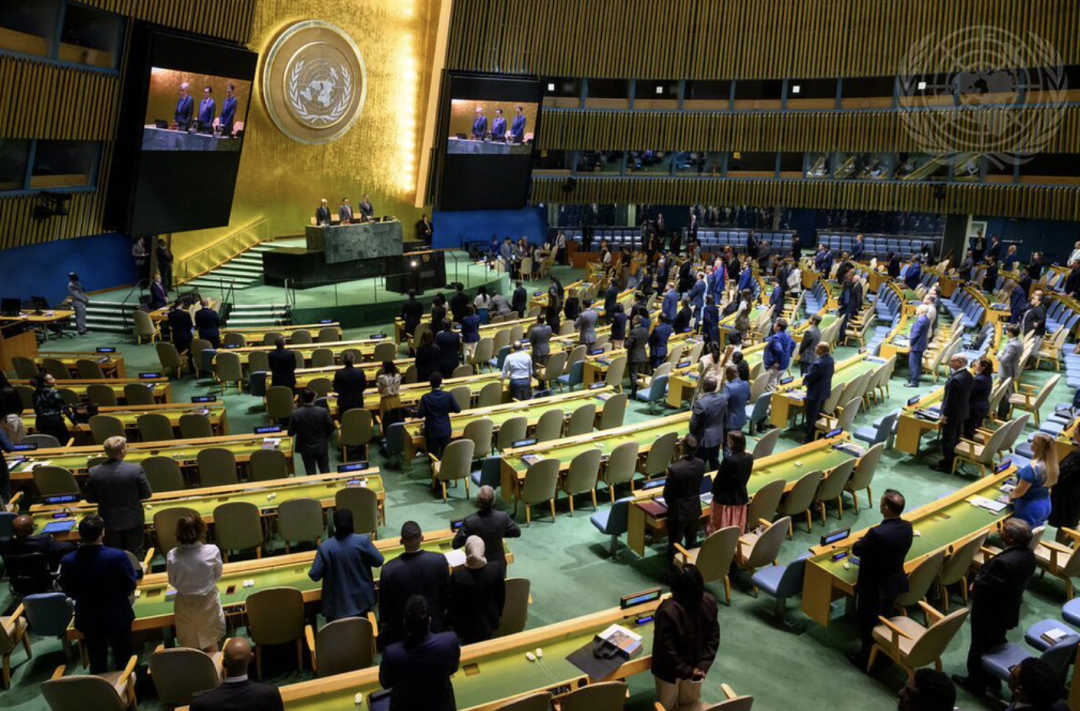
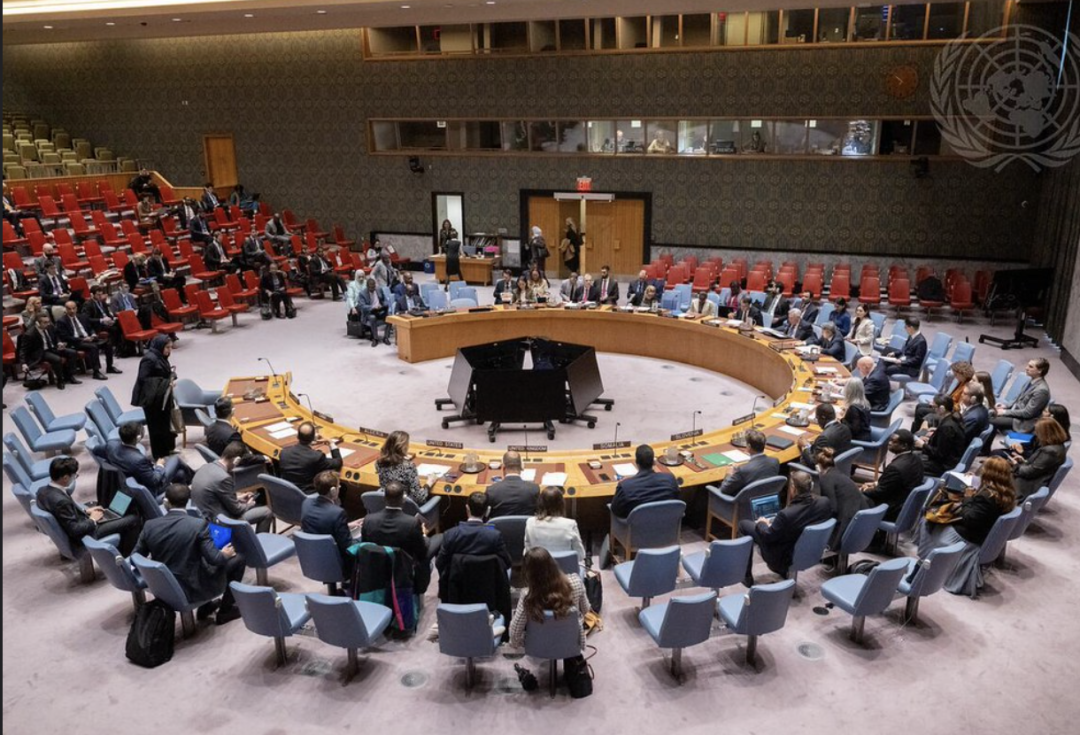
9月8日,第81届联合国大会在纽约联合国总部开幕。图为第81届联大主席哈利勒·拉赫曼主持首次全体会议。图源:UN Photo
联合国大会是一个极为特殊的政治机构。联合国193个会员国,无论大小,每个国家都拥有一票。形式上,最小的国家进入大会会场时,拥有与最大国家完全相同的投票权。几乎没有其他国际机构,能够像联合国大会这样鲜明地体现战后国际秩序赖以建立的“主权平等”原则。
The General Assembly is an extraordinary political institution.Every one of the United Nations'193 Member States has one vote.The smallest country formally enters the chamber with the same voting power as the largest.Few other institutions embody so clearly the principle of sovereign equality on which the post-war international order was constructed.
然而,一旦代表们走出大会会场,“平等”这件事就会变得复杂得多。
Yet once delegates leave the Assembly Hall,equality becomes considerably more complicated.
军事实力、经济体量、科技能力、对金融和市场的控制力、战略联盟,以及获取关键资源的能力,共同决定着一国政府在现实中究竟能够发挥多大影响。联合国大会可以宣示平等,但国际政治依然按照等级秩序运行。这种矛盾从来都存在。但当下不同于以往的,是国际关系日益呈现出一种交易化特征。
Military power,economic weight,technology,control over finance and markets,strategic alliances and access to critical resources determine how much influence governments actually exercise.The General Assembly may proclaim equality;international politics continues to practise hierarchy.That contradiction has always existed.What makes the present moment different is the increasinglytransactional character of international relations.
各国政府依然使用多边主义的语言,依然谈论国际法、团结、伙伴关系和“基于规则的国际秩序”。但越来越多真正重要的决策,却正在其他场合达成:通过双边交易、战略联盟、区域安排、贸易与投资协定、安全伙伴关系,以及由志同道合国家组成的各种小多边机制进行磋商和谈判。
Governments still speak the language of multilateralism.They invoke international law,solidarity,partnership and the rules-based international order.But increasingly,important decisions are being negotiated elsewhere:through bilateral bargains,strategic coalitions,regional arrangements,trade and investment agreements,security partnerships and smaller groups of like-minded states.
外交从来离不开讨价还价。发生变化的,是“交易”与“规则”之间的关系。当规则变得不再方便时,各国越来越倾向于另找一张谈判桌。
Diplomacy has always involved bargaining.What is changing is the relationship between the bargain and the rule.When rules become inconvenient,states increasingly seek another table.
这给联合国大会带来了一个特殊的难题。大会决议可以表达国际社会绝大多数成员的共同立场,但除少数例外之外,这些决议并不具有法律约束力。大会可以谴责、建议、承认、动员,也可以赋予某种行动以合法性,却通常无法强制各国服从。
This creates a peculiar challenge for the General Assembly.Its resolutions can express the views of an overwhelming majority of the international community,yet,with limited exceptions,they are not legally binding.The Assembly can condemn,recommend,recognize,mobilize and confer legitimacy.It cannot normally compel.
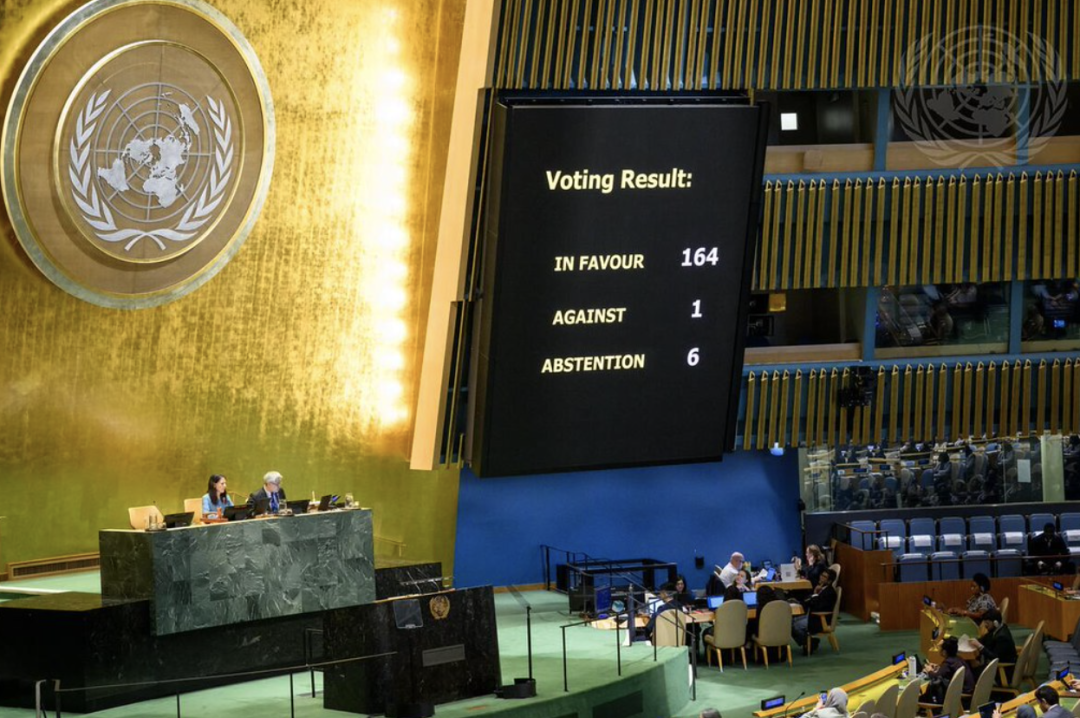
2026年9月4日联大举行记名表决。图源:UN Photo
因此,联合国大会最大的优势,同时也是其最大的无奈所在:它拥有代表国际社会发声的非凡能力,却几乎没有能力迫使国际社会按照这些声音采取行动。
Its greatest strength is therefore also the source of its frustration:it possesses an extraordinary capacity to speak for the international community,but a very limited capacity to make the international community obey.
随着第81届联合国大会拉开帷幕,一个核心问题也随之浮现:联合国大会是否仍有能力塑造国际行为?抑或它正日益沦为这样一个场所——各国先在这里集体表示赞同,随后又在各自的谈判中将这些共识一点点消解?
That raises the central question as the 81st session gets underway:Is the General Assembly still capable of shaping international behaviour,or is it increasingly becoming the place where governments endorse collectively what they subsequently negotiate away individually?
答案不能简单归结为联合国大会究竟是成功了,还是失败了。它的历史表现远比这样的二元判断更值得玩味。
The answer is not simply that the Assembly has succeeded or failed.Its record is far more interesting than that.
八十年来,联合国大会的各项决定推动塑造了非殖民化、人权、发展、国际法、环境合作,以及新兴全球规范的政治合法性。大会让新近独立的国家得以在一个曾长期由少数大国主导的国际体系中发出自己的声音,也成为全球南方将数量优势转化为政治影响力的主要舞台。
Over eight decades,General Assembly decisions have helped shape decolonization,human rights,development,international law,environmental cooperation and the political legitimacy of emerging global norms.The Assembly gave newly independent countries a voice in an international system previously dominated by a small number of powers.It became the principal arena in which the Global South could transform numerical strength into political influence.
但与此同时,联合国大会也积累了数以千计的决议,其中一些只得到部分落实,一些被选择性执行,还有一些根本没有得到执行。各国政府有时会在纽约投票赞成某些措辞,却几乎无意将其真正转化为本国政策。就连“共识”本身也可能成为一门艺术:既要足够雄心勃勃,让每一方都能宣称取得了成功;又要足够灵活,让每一方都能够以不同方式解释何谓“成功”。
But the General Assembly has also accumulated thousands of resolutions whose implementation has been partial,selective or nonexistent.Governments sometimes vote for language in New York that they have little intention of translating into national policy.Consensus itself can become an art form:sufficiently ambitious to permit everyone to claim success,sufficiently flexible to allow everyone to interpret success differently.
这未必意味着外交上的虚伪。有时候,保持一定程度的模糊,正是让193个国家继续坐在同一张谈判桌前所必须付出的代价。
This is not necessarily diplomatic hypocrisy.Sometimes ambiguity is the price of keeping 193 countries at the same table.
但问题在于,“建设性模糊”终有可能演变成“建设性瘫痪”。
But there is a point at which constructive ambiguity becomes constructive paralysis.
因此,我们不应把第81届联合国大会仅仅视为又一场一年一度的外交盛会,而应将其视为一次检验:在一个日益碎片化的国际秩序中,联合国大会究竟还能切实做到什么?
UNGA 81 therefore deserves to be examined not as another annual diplomatic gathering but as a test of what the General Assembly can realistically accomplish in a fragmented international order.
而本届大会的议程,为观察这一问题提供了一个格外具有启示意义的“试验场”。
Its agenda provides an unusually revealing laboratory.
气候行动与公正转型、海平面上升带来的生存性威胁、疫情预防与防范、可持续发展目标、发展权、核武器,以及围绕安理会改革持续不断的争论——所有这些议题,都在迫使联合国大会面对同一个令人不安的问题:
Climate action and the just transition,the existential consequences of sea-level rise,pandemic prevention and preparedness,the Sustainable Development Goals,the right to development,nuclear weapons and the continuing debate over Security Council reform all confront the Assembly with the same uncomfortable question:
当国家利益日益将各国拉向不同方向时,普遍共识是否仍然能够转化为切实有意义的集体行动?
Can universal agreement still produce meaningful collective action when national interests increasingly pull governments in different directions?
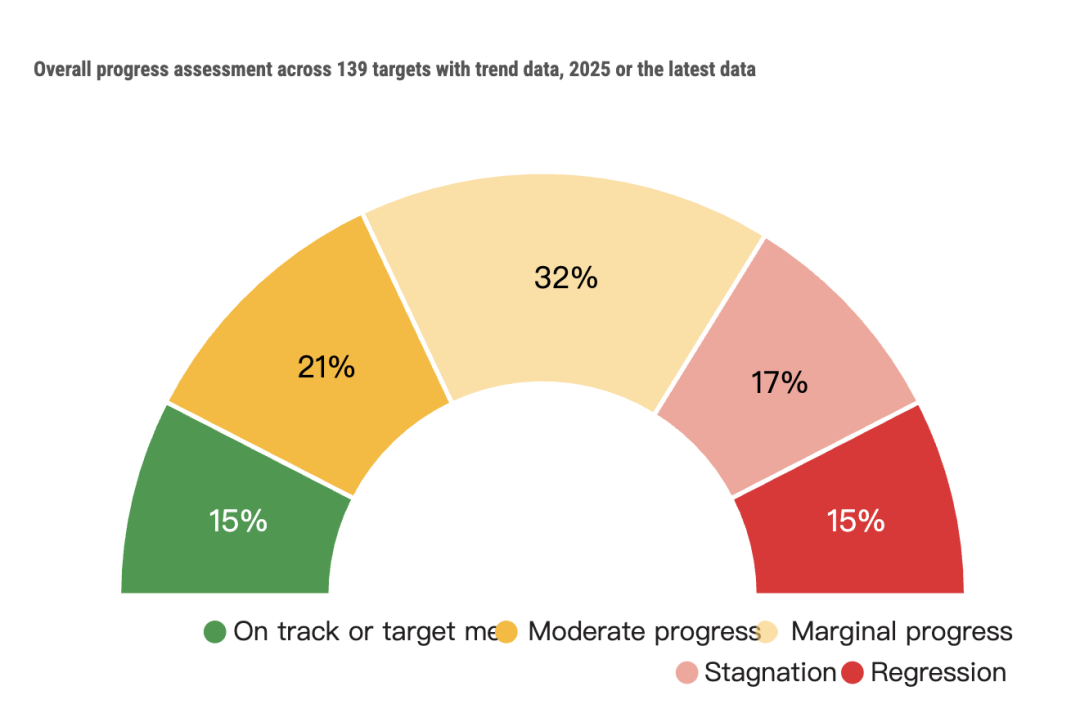
联合国《可持续发展目标报告2026》显示,在具有足够趋势数据的139项目标中,仅36%处于正轨或取得中等进展,15%已较2015年基线出现倒退。图源:UN DESA
联合国大会的权力及其权力幻象
The General Assembly's Power and Its Illusion of Power
联合国大会的权威并非主要建立在强制执行能力之上。与依据《联合国宪章》第七章采取行动的安全理事会不同,联合国大会通常无权作出强制各国政府采取行动的决定。
The General Assembly's authority has never rested principally on enforcement.Unlike the Security Council acting under Chapter VII of the Charter,the Assembly normally cannot issue decisions that compel governments to act.
它所拥有的是另一种政治资本:合法性、政治压力、规范塑造能力,以及数量优势。
Its currency is different:legitimacy,political pressure,norm-setting and numbers.
一项获得压倒性多数支持的决议,无法迫使一个大国改变其政策。但这并不意味着它在政治上毫无意义。它记录了国际社会的立场,可以使某些政府陷入孤立,影响后续谈判,推动国际规范的发展,并为其他领域的行动赋予政治合法性。
A resolution supported by an overwhelming majority cannot force a major power to change its policy.But neither is it politically meaningless.It records where the international community stands.It can isolate governments,influence subsequent negotiations,contribute to the development of international norms and provide political legitimacy for action elsewhere.
2025年10月29日,联合国大会以165票赞成、7票反对、12票弃权,再次通过要求结束美国对古巴经济、商业和金融禁运的决议。图源:UN Photo/Loey Felipe
从历史上看,“七十七国集团和中国”、非洲集团、欧盟等大型国家集团,都曾借助联合国大会,将共同立场转化为国际政治影响力。
Historically,large groupings-the G77 and China,the African Group,the European Union and others-used the Assembly to transform collective positions into international political weight.
但今天的外交格局正在变得越来越难以预测。
But today's diplomatic landscape is becoming less predictable.
各国往往同时身处区域组织、经济伙伴关系、安全安排以及各种战略集团之中,而这些机制的利益诉求并不总是一致。金砖国家扩员机制(BRICS+)、二十国集团(G20)、四方安全对话(Quad),以及大量双边和小多边安排,正越来越多地处理那些过去原本可能主要通过普遍性多边机构解决的问题。
States belong simultaneously to regional organizations,economic partnerships,security arrangements and strategic groupings whose interests do not always coincide.BRICS+,the G20,the Quad and numerous bilateral and minilateral arrangements increasingly handle questions that once might have been expected to move primarily through universal multilateral institutions.
这并不意味着多边主义正在消失,而是意味着它正呈现出一种更加复杂的形态。
The result is not the disappearance of multilateralism.It is a more complicated form of it.
一个国家的政府,可能上午还在捍卫多边主义原则,下午就开始谈判争取一项双边例外,到了晚上,又投票支持一份普遍性的国际宣言。
A government may defend multilateral principles in the morning,negotiate a bilateral exception in the afternoon,and vote for a universal declaration in the evening.
外交,本来就是如此。但危险在于,当“例外”不再只是例外。
Such is diplomacy.The danger arises when exceptions cease to be exceptional.
如果国际规范是否得到遵守,越来越取决于它在当下是否具有战略上的利用价值,那么整个体系就会逐渐形成一种可以称之为“自助餐式多边主义”的做法:各国只挑选自己愿意遵守的规则,而把那些对自己不方便的规则留在柜台上。
If international norms are applied according to immediate strategic usefulness,the system gradually develops what might be called acafeteria approach to multilateralism:states select the rules they wish to observe and leave the inconvenient ones on the counter.
对联合国大会而言,这已经不仅仅是一个执行层面的问题,更是一个信誉问题。
For the General Assembly,that is more than an implementation problem.It is a problem of credibility.
因此,对第81届联合国大会议程的评判,也必须放在这一背景之下。
And it is against this background that the agenda of the 81st session should be judged.
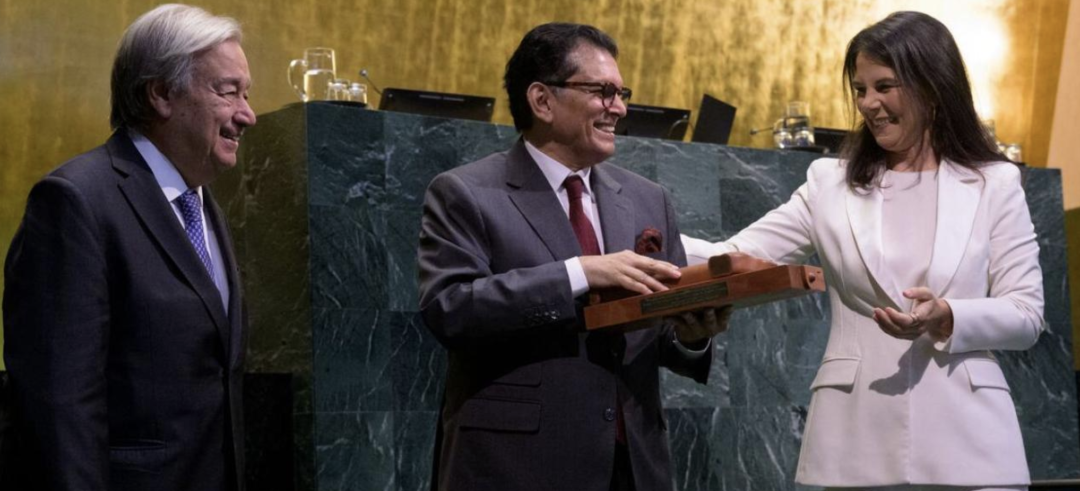
联合国秘书长古特雷斯(左)见证第81届联合国大会主席哈利勒·拉赫曼宣誓就职。拉赫曼接替第80届联大主席安娜莱娜·贝尔伯克出任新一届联大主席。图源:联合国
第81届联合国大会:议程宏大,工具有限
UNGA 81:An Agenda Larger Than Its Instruments
第81届联合国大会召开之际,需要紧急关注的议题并不少。事实上,联合国从来不缺需要处理的问题。
The 81st General Assembly arrives with no shortage of subjects requiring urgent attention.Indeed,scarcity of subjects has never been among the United Nations'problems.
9月的议程涵盖可持续发展、气候行动、发展权、疫情防范、海平面上升以及核武器等诸多议题。每一项议题都有相应的宣言、承诺、谈判措辞,以及经过精心拿捏的预期目标。
The September agenda ranges from sustainable development and climate action to the right to development,pandemic preparedness,sea-level rise and nuclear weapons.Each comes with declarations,commitments,negotiating language and carefully calibrated expectations.
困难,往往从宣言获得通过后的第二天早晨才开始。以海平面上升为例。对许多小岛屿发展中国家和地势低洼的沿海国家而言,这早已不再只是一个气候问题。它关系到领土、人口流离失所、淡水资源、粮食安全、基础设施、主权权利,甚至在极端情况下,关系到一些社区乃至国家本身未来还能否继续存在。
The difficulty begins the morning after the declaration is adopted.Take sea-level rise.For many Small Island Developing States and low-lying coastal countries,this is no longer simply a climate issue.It concerns territory,displacement,freshwater,food security,infrastructure,sovereign rights and,in extreme circumstances,the future viability of communities and states themselves.
因此,联合国大会举行海平面上升问题高级别会议具有重要意义。它可以凝聚对相关科学问题的认识,提高这一议题的政治关注度,为脆弱国家提供一个全球性发声平台,并确立可供未来行动遵循的原则。
The General Assembly's high-level meeting on sea-level rise is therefore significant.It can consolidate scientific understanding,elevate political attention,give vulnerable states a global platform and establish principles around which future action can be organized.
但它做不到的,是同海洋谈判。无论有多少代表团赞成那些经过反复斟酌、精心平衡的措辞,海平面都不会因此作出回应。
What it cannot do is negotiate with the ocean.Sea level will not respond to carefully balanced paragraphs,however many delegations approve them.
这并不是在否定宣言的意义,而是要弄清楚:宣言究竟能够发挥什么作用。宣言的价值,在于将一个问题转化为国际社会公认的行动责任,形成政治预期,并使此后的无所作为变得更加难以掩饰。
That is not an argument against declarations.It is an argument for understanding what declarations are for.Their value lies in converting a problem into an internationally recognized obligation for action,creating political expectations and making subsequent inaction more difficult to disguise.
气候行动和“公正转型”同样如此。发展中国家自然会担心,在没有获得充足资金、技术和政策空间的情况下,却被要求改造自身能源体系。与此同时,发达国家也面临各自的国内政治和财政约束。
The same applies to climate action and the“just transition.”Developing countries are understandably wary of being told to transform their energy systems without being given adequate finance,technology or policy space to do so.Developed countries,meanwhile,face their own political and fiscal constraints.
所有人都支持公正转型。而让外交谈判变得“精彩”的,是讨论进入这样的问题之后:由谁为这种“公正”买单,又由谁来主导这场“转型”?
Everyone supports a just transition.The diplomatic excitement begins when the discussion turns towho pays for the justice and who manages the transition.
也正是在这里,联合国大会外交最能显露其真实面貌。就目的地达成一致往往相对容易,但“谁来买票”?。
This is where General Assembly diplomacy becomes most revealing.Agreement on the destination is often relatively easy.The arguments begin over the ticket.
可持续发展目标:目标已经有了,实现目标的手段在哪里?
The SDGs:We Have the Goals.Where Are the Means?
可持续发展目标或许最能体现联合国大会所取得的成就,以及它所面临的无奈。
The Sustainable Development Goals offer perhaps the clearest example of the Assembly's achievement and frustration.
《2030年可持续发展议程》的通过,是多边共识的一项非凡成就。政治制度、收入水平和发展重点存在巨大差异的各国政府,最终同意建立一个共同框架,将贫困、健康、教育、性别平等、能源、城市、气候、制度建设和经济发展等议题联系起来。
The adoption of the 2030 Agenda was a remarkable act of multilateral consensus.Governments with profoundly different political systems,income levels and development priorities agreed upon a common framework linking poverty,health,education,gender equality,energy,cities,climate,institutions and economic development.
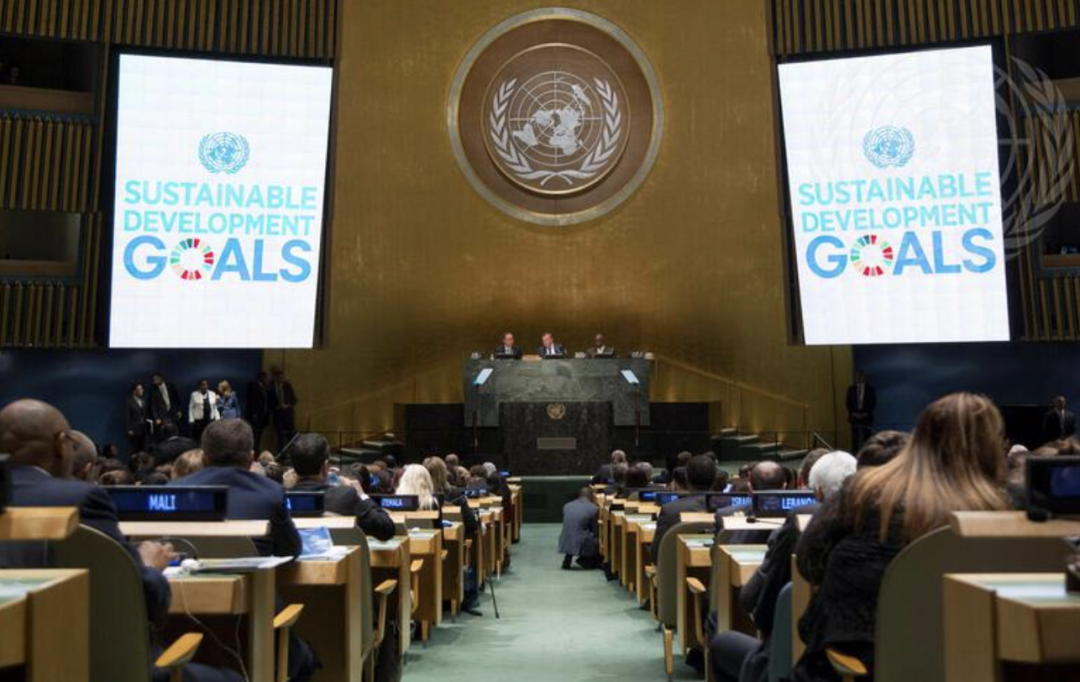
2015年9月,联合国大会通过《2030年可持续发展议程》,确立17项可持续发展目标和169项具体目标。图源:UN Photo
过去几十年间,很少有外交成果能够达到如此广泛而全面的程度。遗憾的是,就“世界应当实现什么目标”达成共识,事实证明要比就“实现这些目标的钱从哪里来”达成共识容易得多。
Few diplomatic achievements of recent decades have been as comprehensive.Unfortunately,agreement on what the world should achieve proved considerably easier than agreement on how to pay for it.
距离2030年只剩四年,联合国自身在2026年的评估显示,在具备评估条件的可持续发展目标具体目标中,只有36%目前处于正轨,或取得了中等程度的进展。
With only four years remaining until 2030,the UN's own 2026 assessment reports that just 36 per cent of assessable SDG targets are either on track or showing moderate progress.
如今的问题,已经不再是缺少目标、指标,或者那些设计精美的彩色方块标识。缺的是执行。
The problem is no longer a shortage of targets,indicators or beautifully designed coloured squares.It is implementation.
对发展中国家而言,争论越来越绕不开资金问题:沉重的债务偿付负担、优惠性资金不足、财政空间有限、技术鸿沟,以及一个在许多国家政府看来,尚不足以回应当代发展需求的国际金融架构。
For developing countries,the argument increasingly comes back to finance:debt-service burdens,insufficient concessional resources,limited fiscal space,technology gaps and an international financial architecture that many governments regard as insufficiently responsive to contemporary development needs.
这给联合国大会带来了一个令人尴尬的信誉问题。
This creates an uncomfortable credibility problem for the General Assembly.
如果各国一再重申普遍性的发展目标,而实现这些目标所必需的资金手段却始终不足,那么久而久之,这种不断“重申承诺”的仪式本身也会失去意义。
If states repeatedly reaffirm universal development goals while the financial means necessary to achieve them remain inadequate,eventually the ritual of recommitment itself loses value.
因此,联合国大会不能再停留于追问各国政府是否继续“支持”可持续发展目标。毕竟,几乎没有哪个政府会公开宣布自己反对清洁饮水、教育或消除贫困。
The General Assembly therefore needs to move beyond asking whether governments continue to“support”the SDGs.Very few will announce that they oppose clean water,education or the eradication of poverty.
但问题往往也更加棘手:
The meaningful questions are more inconvenient:
各国政府究竟愿意为哪些承诺投入资金?愿意改变哪些政策?愿意改革哪些制度?而当国家经济利益与国际社会共同商定的发展目标发生冲突时,又将如何取舍?
Which commitments will governments finance?Which policies will they change?Which institutions will they reform?And what happens when national economic interests conflict with internationally agreed development objectives?
联合国大会最能发挥作用的时候,是它迫使这些矛盾被摆到台面上来的时候。
The Assembly is at its best when it forces such contradictions into the open.
安理会改革:联合国大会直面1945年的遗产
Security Council Reform:The Assembly Confronts 1945
接下来,是一个已经伴随联合国数十年的改革难题:安全理事会改革。
Then comes the reform question that has accompanied the United Nations for decades:the Security Council.
这一问题理所当然属于联合国大会的议程,因为归根结底,它涉及的是代表性、合法性,以及国际社会对整个国际体系的信心。
This belongs firmly within the General Assembly's agenda because the issue is ultimately one of representation,legitimacy and confidence in the international system.
安理会的组成反映的是1945年的政治格局,而2026年的世界早已不是1945年的世界。
The Council's composition reflects the political settlement of 1945.The world of 2026 does not.
非洲拥有54个联合国会员国,却没有一个常任理事国席位;拉丁美洲同样没有。印度如今已是世界人口最多的国家,也是一个主要经济体。日本和德国则是世界主要经济体,也是长期以来联合国的重要出资国。与此同时,五个常任理事国依然拥有否决权,足以阻止安理会就实质性问题采取行动。
Africa has 54 UN Member States but no permanent seat.Latin America has none.India is now the world's most populous country and a major economic power.Japan and Germany are leading economies and longstanding UN contributors.Meanwhile,the five permanent members retain a veto capable of stopping substantive Council action.
指出这种失衡并不困难。真正困难的是如何改变它。
The anomaly is not difficult to describe.Fixing it is another matter.
由巴西、德国、印度和日本组成的“四国集团”(G4)主张同时增加常任和非常任理事国席位。非洲联盟则要求非洲至少获得两个常任理事国席位,并增加非常任理事国席位;如果否决权继续存在,新增常任理事国也应享有同等权利。
The G4-Brazil,Germany,India and Japan,supports expansion in both permanent and non-permanent categories.The African Union demands at least two permanent seats for Africa and additional non-permanent representation,with equal privileges if the veto continues to exist.
绝大多数会员国都认同,安理会应当更具代表性。
Most Member States agree that the Council should become more representative.
然而,一旦讨论具体到哪个国家获得什么席位、拥有何种权力、任期多长,以及谁将为此让出空间,这种共识便不再那么热烈了。
Agreement becomes somewhat less enthusiastic when the discussion reacheswho receives which seat,with what powers,for how long,and at whose expense.
这,又是外交。
Again,diplomacy.
否决权又使问题多了一层复杂性。安理会在重大冲突问题上一再陷入僵局,使得外界越来越期待联合国大会发挥更加显著的政治作用。2022年的“否决权倡议”是一项重要的制度创新:安理会常任理事国一旦行使否决权,联合国大会便须就此举行辩论。它并没有取消否决权,却使否决权的行使被置于更加公开的问责之下。
The veto adds another layer.Repeated Council paralysis over major conflicts has increased pressure on the General Assembly to assume a more visible political role.The 2022 Veto Initiative,requiring an Assembly debate following a Security Council veto,was an important institutional innovation.It does not eliminate the veto,but it makes its exercise more publicly accountable.That matters.
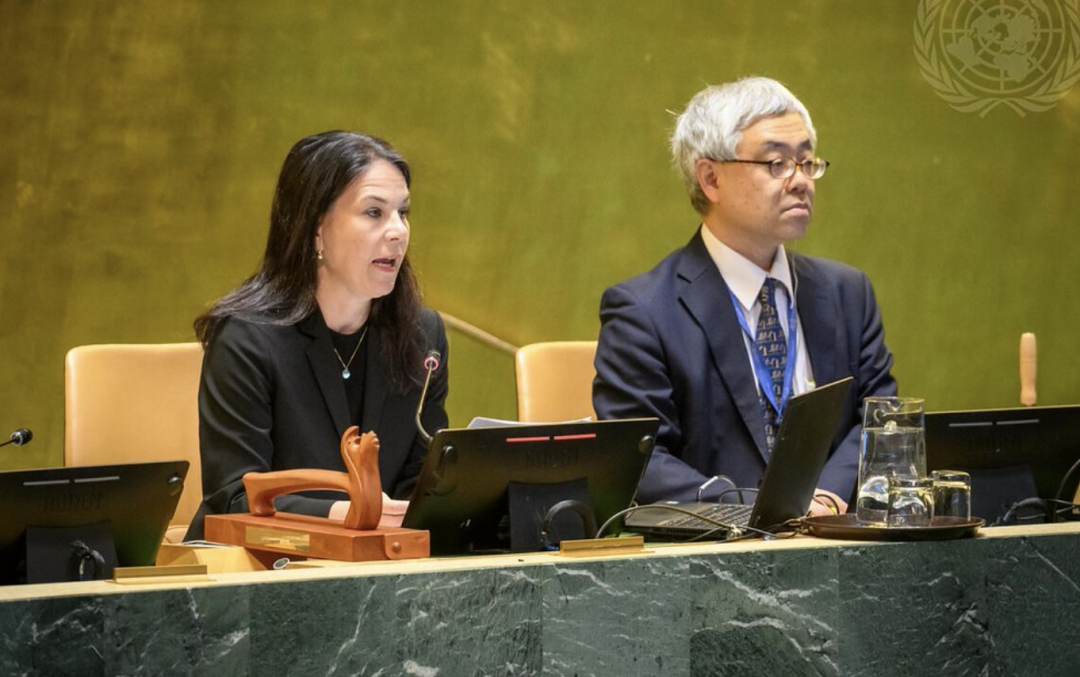
2026年4月16日,第80届联合国大会主席安娜莱娜·贝尔伯克主持联大关于安理会否决权使用问题的全体会议。图源:联合国
权力或许依然占据上风,但至少有些时候,它必须为自己作出解释。
Power may still prevail,but it must occasionally explain itself.
第81届联合国大会主席已将“改革与包容性全球治理”列为六项优先事项之一,并明确将联合国大会称为推动“会员国主导改革”的引擎。这确实创造了一个契机。但联合国大会也不应假装,仅凭程序上的创新,就能够解决一个本质上属于政治的问题。
The 81st-session President has made reform and inclusive global governance one of his six priorities and has explicitly described the General Assembly as an engine of Member-State-driven reform.That creates an opportunity.But the Assembly should resist pretending that procedural innovation alone will resolve a fundamentally political problem.
而恰恰是那些在现有制度中享有最大特权的国家,又是改变这些制度安排不可或缺的同意方。
The states possessing the greatest institutional privileges are also among those whose agreement is necessary to change them.
其实,无须拥有多年的外交经验,也不难体会其中的微妙之处:要让一个人通过主动削弱自己的既有优势,来推动一套制度实现现代化,从来不是一件容易的事。
One does not need many years in diplomacy to appreciate the delicacy of asking someone to modernize a system by voluntarily reducing his own advantage.
改革:当“抢椅子游戏”停下来之后
Reform:When the Musical Chairs Stop
改革本身也值得审视。
Reform itself deserves scrutiny.
联合国在其大部分历史中都处于不断改革之中。机构被设立、合并、改名、协调、分权、重新集权,有时又换一个新的缩写名称重新出现。
The United Nations has been reforming for much of its existence.Structures are created,merged,renamed,coordinated,decentralized,recentralized and occasionally rediscovered under a new acronym.
一些改革确有必要,也卓有成效。机构必须与时俱进,职能重叠会浪费稀缺资源,过时的授权也不应仅仅因为无人愿意重新审议当初创设它的决议,就一直延续下去。
Some reforms have been necessary and useful.Institutions must evolve.Duplication wastes scarce resources.Outdated mandates should not survive merely because nobody wishes to reopen the resolution that created them.
但组织架构调整本身,也可能逐渐演变成一种自我延续的过程。
But organizational restructuring can also acquire a life of its own.
有时候,联合国改革就像一场精心设计的“抢椅子游戏”:椅子的数量和位置发生了变化,音乐短暂停下,每个人换了个稍有不同的位置坐下——但真正的政治问题,却依然站在房间中央。
At times,UN reform has resembled a sophisticated game ofmusical chairs:the number and location of the chairs change,the music is briefly interrupted,everyone sits somewhere slightly different—and the underlying political problem remains standing in the middle of the room.
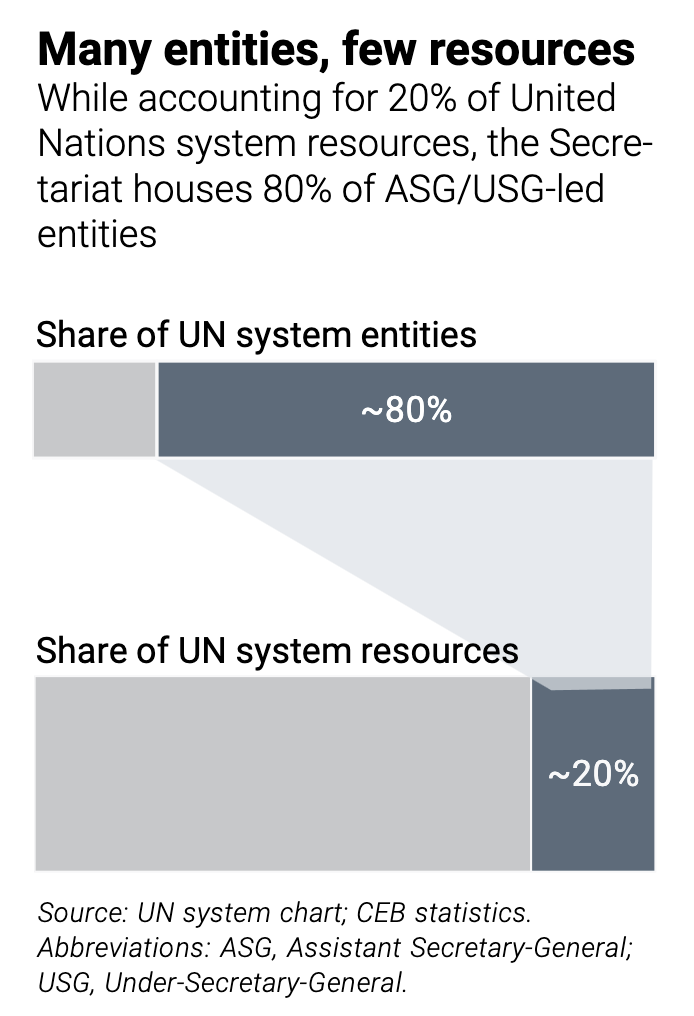
联合国秘书处约占联合国系统资源的20%,却集中了约80%由助理秘书长(ASG)或副秘书长(USG)级官员领导的实体。图源:联合国UN80 Initiative、联合国系统行政首长协调理事会(CEB)
因此,当前的“联合国80周年倡议”改革进程所面临的考验,远不只是如何提高行政效率。
The current UN80 reform process therefore faces a test larger than administrative efficiency.
联合国大会主席曾表示,重建信任既需要拿出实际成果,也需要推进改革。这一点没有错。但在改革之前,还应先回答一个更根本的问题:
The President of the General Assembly has said that restoring trust requires both delivery and reform.That is correct.But reform should begin with a prior question:
改革究竟是为了什么?
Reform for what?
削减开支不是战略,重新调整部门也不是愿景。消除职能重叠固然有益,但这并不能回答:国际社会眼下最迫切需要联合国承担的,究竟是哪些职能?
Reducing expenditure is not a strategy.Rearranging departments is not a vision.Eliminating duplication is useful,but it does not tell us which functions the international community most urgently needs the United Nations to perform.
会员国也不能一边要求联合国变得更加高效,一边又让其得不到稳定、可预期的资源保障。
Nor can Member States simultaneously demand a more effective Organization and deprive it of predictable resources.
外交领域有一个由来已久的习惯:先赋予一个机构雄心勃勃的授权,给它一个鼓舞人心的名称,却只配上一份捉襟见肘的预算;等到成果不如预期时,再对此表示失望。
There is an old diplomatic habit of giving an institution an ambitious mandate,an inspiring title and an inadequate budget—and then expressing disappointment when results prove modest.
这种习惯,恐怕比某些部门本身更应该率先“退休”。
That habit deserves retirement before some of the departments do.
联合国大会与过往改革的历史记忆
The General Assembly and the Memory of Earlier Reform
眼下的争论并不完全是新问题。
The present debate is not entirely new.
冷战结束之际,国际社会一度对多边行动的可能性抱有非同寻常的乐观期待。曾令联合国诸多工作陷入瘫痪的意识形态对抗似乎正在消退。1992年1月,联合国安理会首次举行国家元首和政府首脑级会议,此后,秘书长布特罗斯·布特罗斯-加利提出了《和平纲领》。
At the end of the Cold War,there was a remarkable moment of optimism about the possibilities of multilateral action.The ideological confrontation that had paralyzed much of the United Nations appeared to be receding.In January 1992,the Security Council met at the level of Heads of State and Government,and Secretary-General Boutros Boutros-Ghali subsequently producedAn Agenda for Peace.
国际社会重新满怀信心地谈论预防性外交、建立和平、维持和平以及冲突后重建。
The international community began speaking of preventive diplomacy,peacemaking,peacekeeping and post-conflict reconstruction with renewed confidence.
一些行动取得了成功。纳米比亚、柬埔寨和莫桑比克的实践表明,协调一致的国际参与可以取得怎样的成果。
Some operations succeeded.Namibia,Cambodia and Mozambique demonstrated what coordinated international engagement could achieve.
但另一些行动则暴露出局限。索马里、卢旺达和波斯尼亚的经历表明,在纽约通过一项授权,与真正落实这项授权所需要的政治意愿、资源和行动能力之间,可能存在多么巨大的鸿沟。
Others exposed painful limitations.Somalia,Rwanda and Bosnia showed the enormous gap between mandates adopted in New York and the political will,resources and operational capacity required to carry them out.
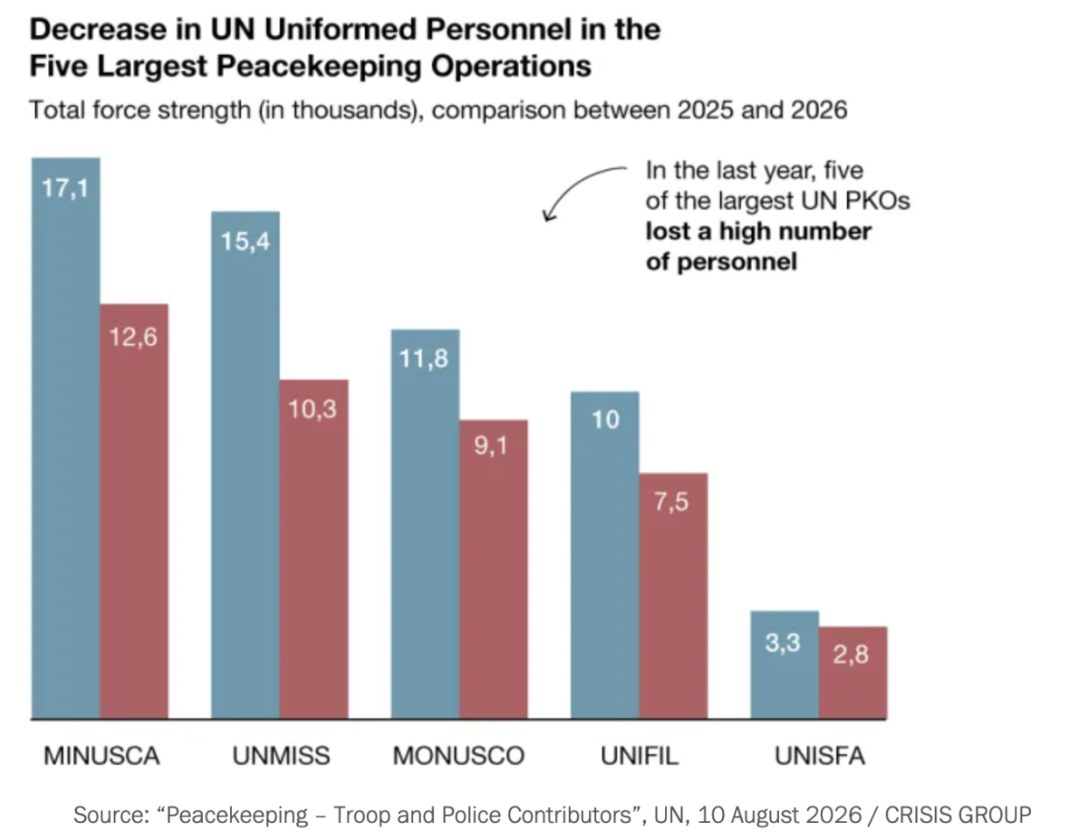
2025—2026年,联合国五个最大维和行动的人员规模均出现不同程度下降。图源:International Crisis Group;数据来源:联合国
这一教训对于今天的联合国大会依然具有现实意义。
The lesson remains relevant to the General Assembly today.
授权并不等于能力。
A mandate is not a capability.
同样,宣言并不等于预算,决议并不等于执行机制,而共识也未必意味着真正的政治承诺。同一时期,发展中国家开始担心,联合国日益将重心放在维和行动上,会使政治关注和资源从经济与社会发展领域被转移出去。联合国大会和经济及社会理事会的讨论往往陷入重复,而一轮又一轮的改革,则把大量精力集中在程序和组织安排上。
Nor is a declaration a budget,a resolution an implementation mechanism,or consensus necessarily evidence of political commitment.During the same period,developing countries became concerned that the Organization's increasing concentration on peacekeeping was diverting political attention and resources away from economic and social development.Debates in the General Assembly and ECOSOC often became repetitive,while successive reform exercises focused heavily on procedures and organizational arrangements.
这样的情形,我们过去已经经历过。
We have been here before.
正因为有这样的历史记忆,联合国大会今天更应对改革议程提出更高要求。制度变革不能取代一个更根本的决定:这个机构究竟被期待完成什么。
That historical memory should make the Assembly more demanding about today's reform agenda.Institutional change should not become a substitute for deciding what the institution is actually expected to accomplish.
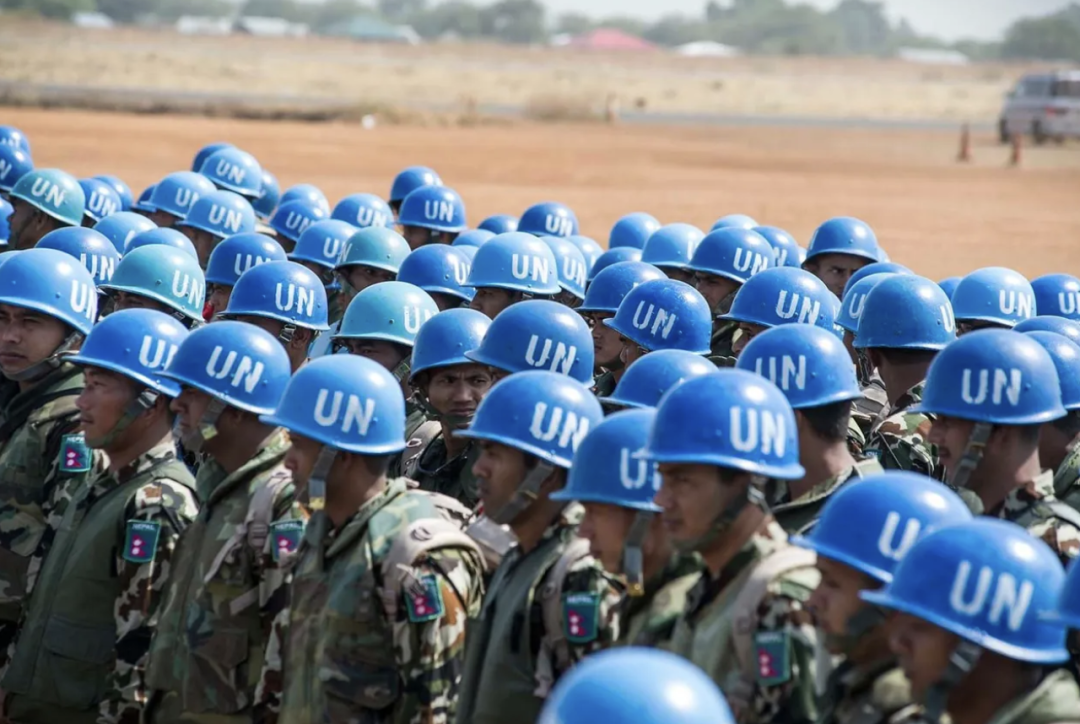
2026年7月,美国宣布将从明年起阻止联合国继续为非盟驻索马里支助与稳定特派团提供后勤支持,使该任务面临重大资金与运作压力。图源:路透社
资金:外交更愿意委婉讨论的话题
Money:The Subject Diplomacy Prefers to Discuss Politely
然而,真正的困难在于,制度雄心最终总会遭遇制度能力的现实边界。
The difficulty,however,is that institutional ambition eventually meets institutional capacity.
会员国通过各种授权、方案和宣言,却有时在提供落实这些承诺所需资源时犹豫不决。于是,讨论陷入一种颇具“循环之美”的逻辑:联合国因落实不力而受到批评;其资源却变得更加不可预测;新的危机催生新的授权;各方要求进一步提高效率;然后,人们又反过来质问联合国,为什么没有做得更多。
Member States approve mandates,programmes and declarations—and then sometimes hesitate over the resources required to implement them.The resulting conversation has a certain circular elegance:the Organization is criticized for inadequate delivery;its resources become less predictable;new crises generate new mandates;efficiency reforms are demanded;and the Organization is then asked why it has not done more.
到最后,算术终究会闯进外交的世界。
Eventually,arithmetic intrudes upon diplomacy.
这并不是主张在缺乏监督的情况下无限扩大预算。问责十分重要,职能重叠应该消除,过时的授权也应得到审查。但那句耳熟能详的“少花钱、多办事”,终究存在极限。到了某一个节点,投入更少,就只能得到更少。
This is not an argument for larger budgets without scrutiny.Accountability matters,duplication should be eliminated and obsolete mandates should be reviewed.But there are limits to the familiar prescription of“doing more with less.”At some point,less produces less.
同样的现实主义也应当适用于危机管理。国际社会至今仍然远比“预防危机”更擅长“应对危机”。战争、疫情和气候灾害一旦造成无法忽视的后果,往往就能迅速吸引资源;相比之下,预防和预警在政治上却没有那么“讨巧”,恰恰因为一旦它们真正奏效,就不会发生任何惊天动地的事情。
The same realism should apply to crisis management.The international community remains considerably better organized to respond to crises than to prevent them.Wars,pandemics and climate disasters attract resources once their consequences become impossible to ignore;prevention and early warning are less politically rewarding precisely because,when successful,nothing dramatic happens.
一场被成功避免的灾难,很少会迎来一场纪念大会。
A catastrophe avoided rarely gets a commemorative conference.
这正是联合国大会能够有所作为的地方。它所拥有的普遍性授权,使其能够把和平与安全同发展、气候、健康、技术以及人类脆弱性联系起来,并推动各方在紧急情况演变为灾难之前就投入资源。
Here the General Assembly can make a difference.Its universal mandate allows it to connect peace and security with development,climate,health,technology and human vulnerability—and to press for investment before emergencies become disasters.
过去几十年联合国改革所留下的教训,今天依然适用:授权不等于能力,宣言不等于预算,共识也未必意味着政治承诺。
The lesson from earlier decades of UN reform remains pertinent:a mandate is not a capability,a declaration is not a budget,and consensus is not necessarily political commitment.
因此,改革不能被简化为重新调整机构设置。问题在于会员国是否愿意为自己赋予联合国的那些责任,同时配套提供履行这些责任所必需的政治意愿和资源。
Reform therefore cannot be reduced to rearranging structures.The real test is whether Member States are prepared to match the responsibilities they assign to the Organization with the political will and resources necessary to carry them out.
走向失灵,还是实现突破?
Break Down or Break Through?
第81届联合国大会将产生演讲、宣言和决议,也几乎肯定会出现若干场持续到深夜的谈判——在那些会议室里,随着措辞变得越来越软,咖啡往往会变得越来越浓。
The 81st General Assembly will produce speeches,declarations,resolutions and undoubtedly several late-night negotiating sessions in rooms where coffee becomes progressively stronger as language becomes progressively weaker.
这不是犬儒主义,而是193个主权国家共同参与多边主义时的现实。
That is not cynicism.It is multilateralism among 193 sovereign states.
一个严肃的问题是:当高级别周结束、各国车队离去、纽约的交通重新恢复到它那种更为日常的混乱之后,究竟还能留下什么?
The serious question is what remains when High-Level Week ends,the motorcades disappear and New York traffic returns to its more ordinary form of chaos.
我们不应以联合国大会能否解决摆在面前的每一场危机,来评判它的成败。它做不到这一点。
The Assembly should not be judged by whether it can solve every crisis before it.It cannot.
同样,也不应因为其大多数决议并不具有法律约束力,就将其轻易否定。那样做,是误解了联合国大会真正的力量所在。
Nor should it be dismissed because most of its resolutions are not legally binding.That misunderstands where its power lies.
联合国大会依然是全球唯一一个几乎所有主权国家都能够在其中发言、投票、挑战强国、组建联盟,并参与界定国际合法性的政治议事场所。
The General Assembly remains the only global political chamber in which virtually every sovereign state can speak,vote,challenge powerful countries,build coalitions and participate in defining international legitimacy.
它的弱点在于,无法强制落实。它的风险则在于,各国政府可能满足于发表宣言,而不再追求真正的落实。
Its weakness is that it cannot compel implementation.Its danger is that governments may become satisfied with declaration instead of delivery.
而它的机会,则在于更加有策略地运用自身的合法性:减少停留在口号层面的承诺,明确优先事项,加强后续跟进,提高问责力度,并让承诺与资源之间建立起一种更加诚实的关系。
And its opportunity is to use its legitimacy more strategically:fewer rhetorical promises,clearer priorities,stronger follow-up,greater accountability and a more honest relationship between commitments and resources.
因此,当今多边体系最主要的缺陷,并不只是制度性的,更是政治性的。
The principal deficiency of the multilateral system today is therefore not simply institutional.It is political.
无论怎样调整部门,都无法凭空制造出政治意愿;任何改革文件都不能取代领导力;任何一份共识宣言,也不会自己得到落实。
No rearrangement of departments can manufacture political will.No reform document can substitute for leadership.No consensus declaration can implement itself.
联合国大会当然必须推动其周边制度的改革,包括正视日益棘手的安理会代表性问题。但与此同时,它还必须改变一种更加无形的东西:那就是把“对文字达成一致”误认为“对行动达成一致”的习惯。
The General Assembly must certainly reform the institutions around it,including confronting the increasingly difficult question of Security Council representation.But it must also reform something less tangible:the habit of confusing agreement on language with agreement on action.
2026年的世界与1945年的世界已经大不相同。权力更加分散,经济相互依存更加深入,技术发展速度更快,气候风险具有系统性影响,而全球南方也理所当然地要求在那些塑造其未来的国际机构中拥有更大的发言权。联合国大会依然处于一个独一无二的位置,能够反映这个不断变化的世界。
The world of 2026 bears little resemblance to that of 1945.Power is more dispersed,economic interdependence is deeper,technology moves faster,climate risks are systemic and the Global South rightly demands a greater voice in institutions that shape its future.The General Assembly remains uniquely placed to reflect that changing world.
但仅仅“反映”还远远不够。
But reflection is not enough.
如果联合国大会想要重建信任,就必须证明:在一个权力日益碎片化、外交日益交易化的时代,普遍代表性依然能够转化为切实可行的合作。
If the Assembly is to restore trust,it must demonstrate that universal representation can still generate practical cooperation in an age of fragmented power and transactional diplomacy.
也许,这才是第81届联合国大会真正面临的考验。不是193个国家的政府能否再次就一份宣言达成一致。毕竟,外交官们向来十分擅长起草宣言。
Perhaps that is the real test of UNGA 81.Not whether 193 governments can agree on another declaration.Diplomats are exceptionally talented at declarations.
关键问题在于:在就这些文字达成一致之后,他们是否也愿意承认,这些文字所规定的义务同样约束着自己。
The harder question is whether,after agreeing on the words,they are prepared to recognize themselves in the obligations.
外交止步于此,而责任由此开始。
That is where diplomacy ends—and responsibility begins.
梅赫里·马达尔沙希(Mehri Madarshahi)
华南理工大学公共政策研究院(IPP)荣誉教授、联合国教科文组织下属国际创意和可持续发展中心(ICCSD)顾问委员会成员
Honorary Professor of The Institute of Public Policy(IPP),South China University of Technology(SCUT);
本内容来源于网络 原文链接,观点仅代表作者本人,不代表虎嗅立场。
如涉及版权问题请联系 hezuo@huxiu.com,我们将及时核实并处理。
如涉及版权问题请联系 hezuo@huxiu.com,我们将及时核实并处理。
频道: 国际热点