


2014-12-04 08:12

扫码打开虎嗅APP


Contributing Author Ed Connelly
Originally Published December 2, 2014.
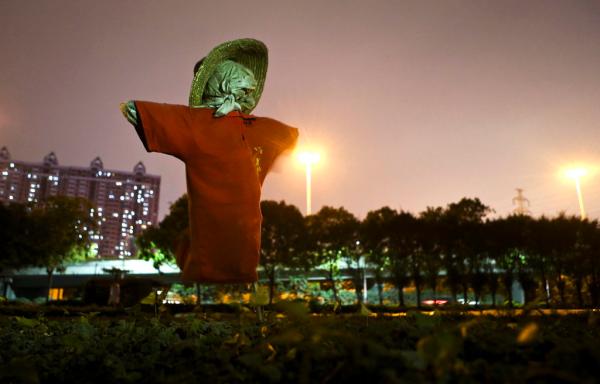
The Communist Party of China (CPC) recently provided satirical descriptions of the way rural people see Party cadres who make obligatory inspection visits to the grassroots.
One group of visiting cadres are known as the "head nodders and shakers." When these cadres arrive at a rural village, they listen to the people's complaints and suggestions while saying little but frequently nodding or shaking their heads.
Another group is known as "the rice paddy disco" dancers. These cadre, in order to keep their shoes and trousers clean, always walk on the raised earthen ridges that divide paddy fields and never in the fields themselves. Since these earthen ridges are narrow and slippery, the cadres, who also often hold umbrellas to shield them from the sun, are constantly swaying left and right to maintain their balance, movements referred
to by the locals as "the rice paddy disco." Another type of rice paddy disco is performed by female cadres whose high heels and tight skirts force them to bend and lean in order to keep their balance as they walk along paddy ridges and stone roads.
Still another group are those cadre who "quote the ancients in a western accent." These cadre are fond of lecturing the local people in speeches that are rife with quotations from the Chinese classics liberally sprinkled with English words and acronyms. This style of speaking not only makes it difficult for the locals to comprehend what is being said, but also has the added advantage that the speaker never has to use
his own words and phrases.
Finally there are the "turtle heads." These cadres drive to a rural village, lower the windows of their vehicles, and pop their heads out like turtles. The visiting cadre then beckons the villagers to approach the car and, after greeting the villagers and listening to their complaints, the cadre then pops his head back inside and drives off.
About the Author
Ed Connelly holds a PhD in Chinese from the Australian National University. He was a diplomat for 20+ years and has also worked as a Chinese to English translator for the Scientific Applications International Company. His main area of expertise is international affairs, particularly China. Ed is currently a freelance translator and writer.